
Orthodontics for children and teenagers in Hamburg-Altona
Individual, age-appropriate care using removable or fixed braces, aligners and other appliances according to your child’s development.
When is an orthodontic examination advisable?
An examination is particularly advisable if teeth are crooked, tooth development appears unusual, or changes in the jaws and bite are visible — for example protruding front teeth, a crossbite, deep or open bite, or impacted or unerupted teeth.
Not every irregularity needs immediate treatment. We assess whether treatment is necessary and when the right time to begin has arrived.
Treatment while your child is growing
For children and teenagers, growth can be incorporated into treatment. Depending on the problem, this can support jaw development, create space for permanent teeth and correct unfavourable bite relationships.
The suitable treatment depends on age, tooth development, growth and the individual tooth or jaw problem. Early treatment can be appropriate in certain cases, but we often monitor development first and begin only when the timing is clinically right.
Removable braces
Removable braces can support jaw growth, improve the available space and treat certain bite problems.
They are mainly used while a child is still growing.
Fixed braces & aligners
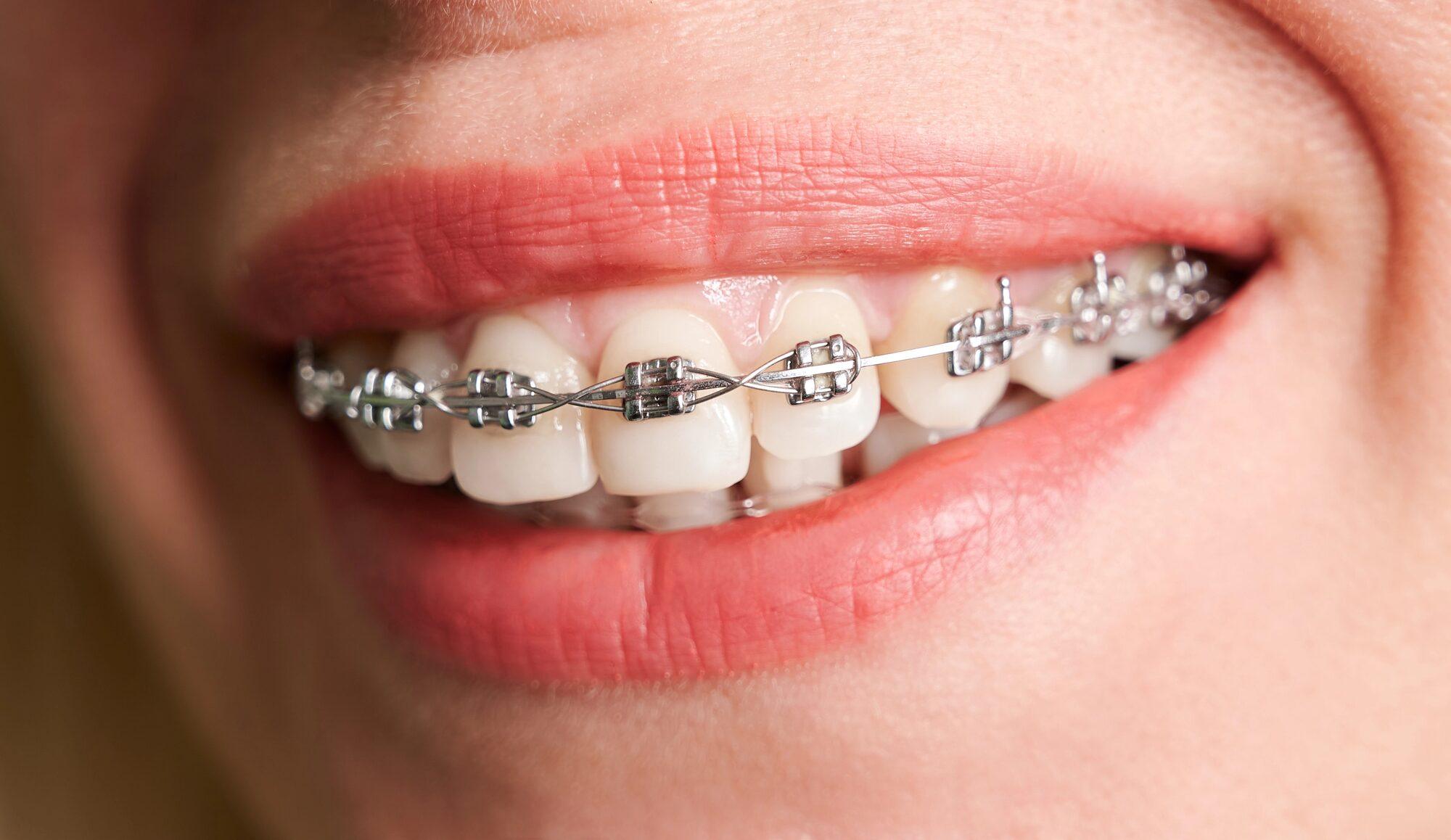
Fixed braces allow precise correction of tooth position and are also suitable for more complex cases.
Teenagers with suitable orthodontic problems may also be treated with nearly invisible, removable aligners.
Frequently asked questions about orthodontics for children & teenagers
At what age should my child first see an orthodontist?
The right time depends on your child’s individual development. An initial assessment can be useful during the early mixed dentition, especially if tooth or jaw problems are noticeable.
An early examination does not automatically mean that treatment needs to begin immediately. We often monitor further development first.
Does every irregular tooth position need treatment?
No. Mild differences do not always require treatment. The key question is whether the problem could affect function, dental health, jaw development or the long-term stability of the bite.
How long does orthodontic treatment take?
The duration depends on the orthodontic problem, age and chosen method. Minor corrections may take only a few months, while more extensive treatment can span several years and include different phases. After the examination, we provide an individual estimate.
Do braces hurt?
After braces are fitted or adjusted, pressure or tension may be noticeable for a few days. Removable appliances may also feel unfamiliar at first, but most children and teenagers adjust quickly. Severe or persistent discomfort should be checked.
How important is my child’s cooperation?
Depending on the method, your child’s cooperation can be an important part of treatment. Removable braces and aligners must be worn consistently; good oral hygiene and attending check-ups are also essential.
We explain each step clearly and involve children and teenagers actively in their treatment.
How important is oral hygiene during treatment?
Careful oral hygiene is important throughout any orthodontic treatment. With fixed braces, plaque and food debris can accumulate more easily around the brackets. We therefore show your child the appropriate cleaning technique and recommend regular dental check-ups.
How much does orthodontic treatment for children and teenagers cost?
The cost depends on the tooth or jaw problem, chosen method, expected duration and treatment effort.
For children and teenagers, German statutory health insurance may cover part of the cost when certain criteria are met. Additional private costs may arise depending on the chosen treatment. After the examination, you receive a personalised cost plan; monthly instalments are available.
What happens after active treatment?
The retention phase begins once active tooth movement is complete. A fixed retainer, removable retainers or a combination of both helps keep the teeth stable in their new positions.
Consultation for children and teenagers in Hamburg-Altona
Would you like to know whether orthodontic treatment is advisable for your child? During a personal consultation, we examine the development of the teeth, jaws and bite and explain whether treatment is necessary, which options are available and when the timing is right. The initial consultation can also take place online or on selected Saturdays.