Fixed braces in Hamburg-Altona
Precise, controlled correction of tooth and bite problems for children, teenagers and adults – including more complex cases.
What are fixed braces?
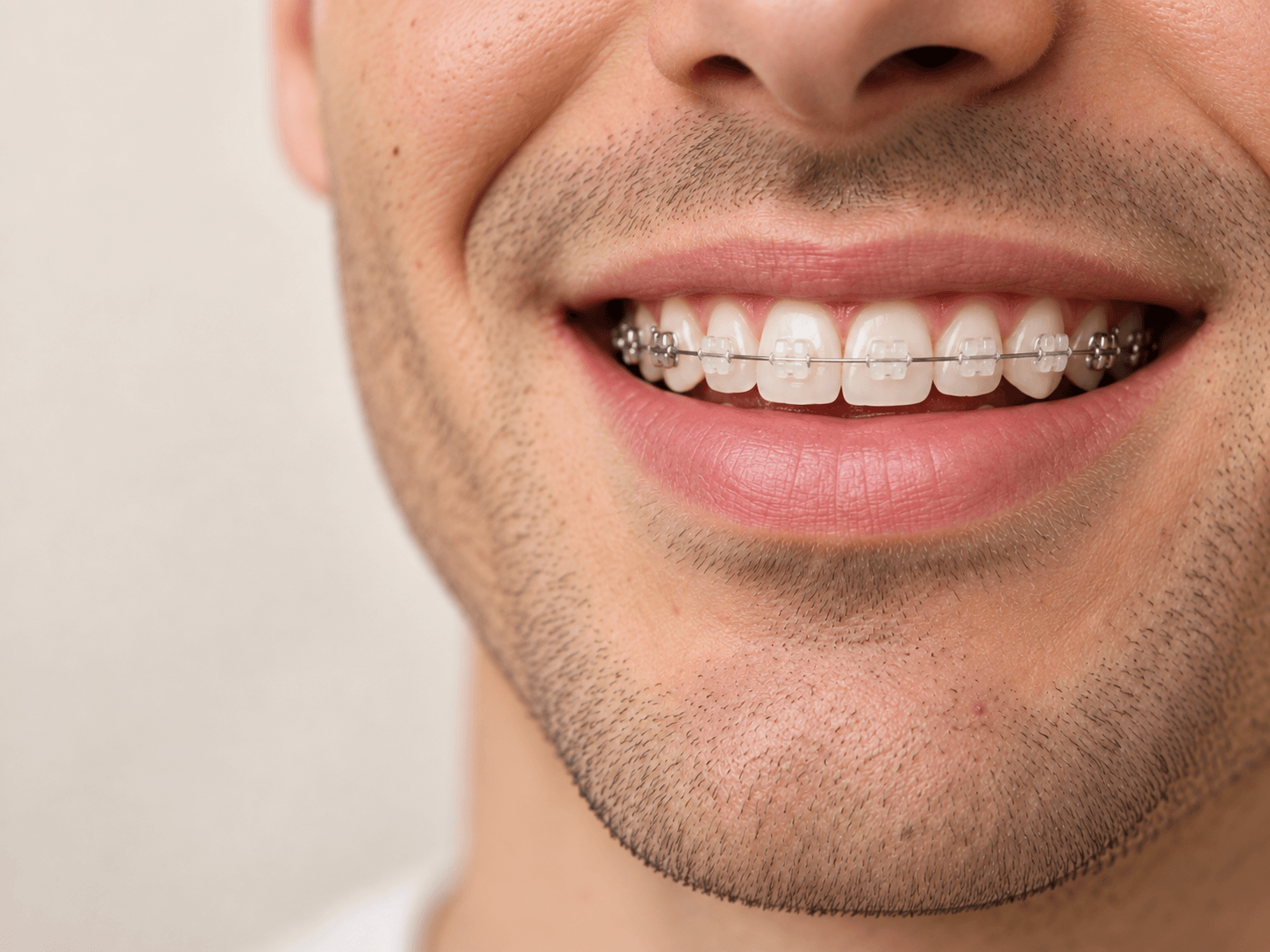
Fixed braces consist of small brackets bonded to the teeth and connected by an archwire. The wire and other treatment elements apply targeted forces, gradually moving the teeth into their planned positions.
Because the appliance remains fixed to the teeth, it works around the clock and does not depend on a daily wearing routine.
Which orthodontic problems can fixed braces correct?
Fixed braces can correct many tooth and bite problems, from straightforward to complex cases. Their suitability depends on your tooth position, bite, age and treatment goals.
The suitable bracket and archwire system depends on your teeth, bite and treatment goal. Before treatment begins, we explain the available options and their respective advantages and disadvantages.
Metal brackets
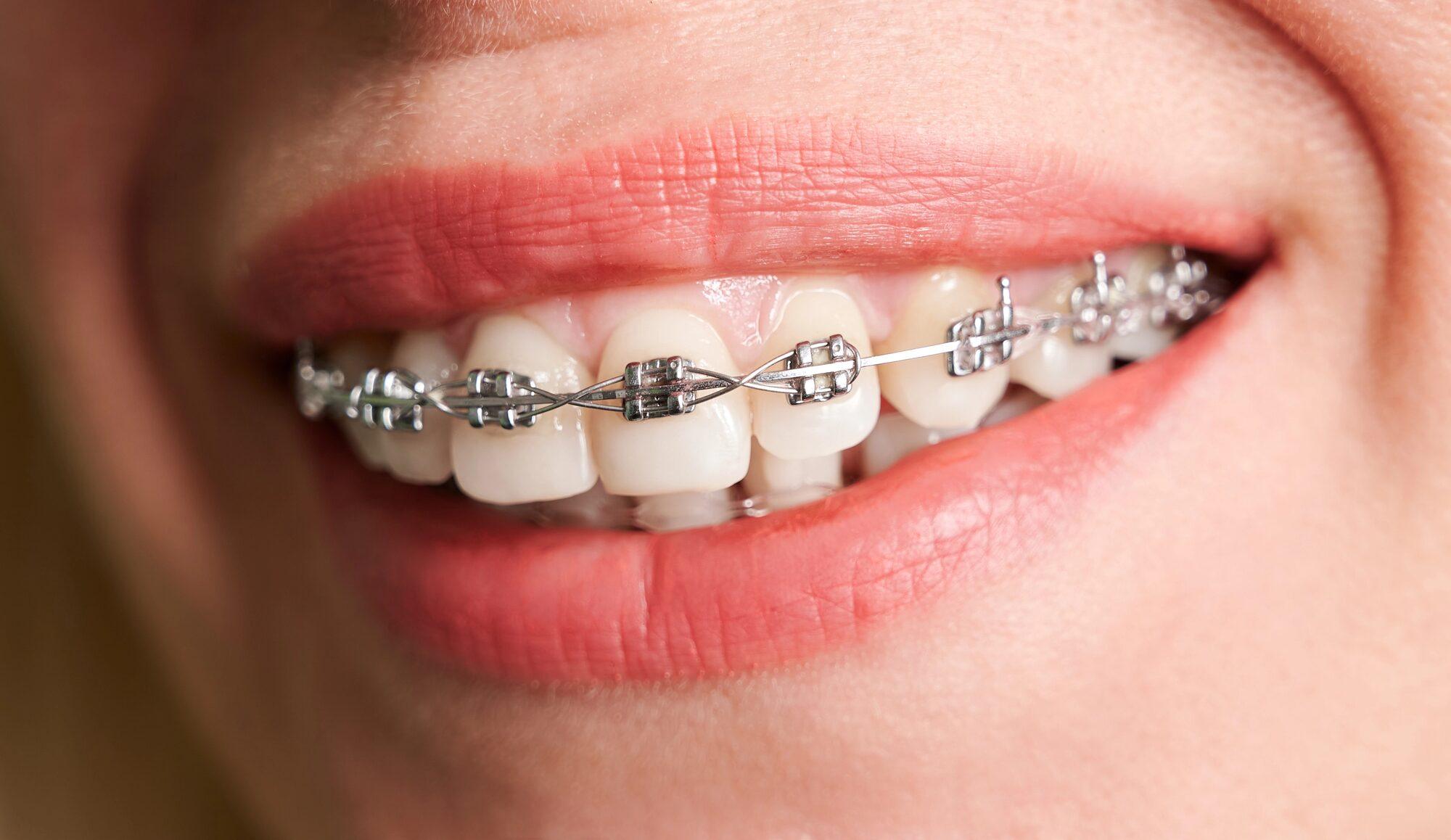
Metal brackets are the classic form of fixed braces. They are robust, well established and allow particularly precise control of tooth movement.
They are suitable for treatments of any scope and are often used for children and teenagers.
Ceramic brackets
Ceramic brackets are tooth-coloured or clear, making them less noticeable than traditional metal brackets.
They are particularly suitable for teenagers and adults who prefer more discreet fixed braces.
Before and after: treatment with fixed braces
Selected treatment journeys and changes in tooth position will be shown here in direct comparison.
Treatment examples coming soon.
Frequently asked questions about fixed braces
How long does treatment take?
Treatment time depends on the type and severity of the orthodontic problem. Minor corrections may take less time, while complex treatment can take several years.
The starting position of the teeth, extent of the required movements, growth in children and teenagers, and regular attendance at check-ups all affect the duration. After your examination, we will give you an individual estimate.
How much do fixed braces cost?
The cost depends on the orthodontic problem, selected bracket system, expected treatment duration, and the diagnostic and technical work involved.
For children and teenagers, German statutory health insurance may cover the cost when certain criteria are met. For adults with statutory insurance, coverage is generally limited to severe jaw discrepancies. After your examination, you will receive a personalised cost plan; monthly instalments are available.
Are fixed braces better than aligners?
Both methods offer different advantages. Aligners are removable and usually more discreet. Fixed braces often provide particularly precise control of complex tooth movements and work independently of a daily wearing routine.
The better option depends on your teeth, bite and personal requirements.
Can adults wear fixed braces?
Yes. Teeth can generally be moved after growth is complete, provided the teeth, gums and supporting tissues are healthy enough for treatment.
Do fixed braces hurt?
After braces are fitted or adjusted, you may feel pressure or tension for a few days. Your lips and cheeks also need time to adjust to the brackets.
Orthodontic wax can temporarily protect irritated areas. Please contact us if discomfort is severe or persists.
Can fixed braces damage my teeth?
The brackets themselves do not cause tooth decay. If plaque remains around them for a prolonged period, however, decalcification, cavities or gum inflammation may develop. Careful oral hygiene and regular dental check-ups are therefore especially important.
How do I clean my teeth with fixed braces?
Food debris and plaque can accumulate more easily around brackets and wires. We recommend brushing thoroughly at least twice a day, cleaning carefully around the brackets, using interdental brushes or special floss, and choosing a fluoride toothpaste. We show you the appropriate technique when your braces are fitted.
Can I eat anything with fixed braces?
You can generally eat as normal, but very hard, sticky or chewy foods may damage brackets or wires.
Take particular care with hard sweets, chewing gum, nuts, sticky confectionery and very crusty bread. Cut apples, carrots and similar foods into small pieces.
What should I do if a bracket comes loose?
A loose bracket is normally not a medical emergency, but it should be checked promptly. Contact us and, if possible, send a photograph through our Alignio patient app. We will determine whether it needs to be reattached soon or can wait until your next appointment.
What can I do about a wire that is causing irritation?
If a wire is poking or irritating you, cover it temporarily with orthodontic wax. Contact the practice or use Alignio and, if possible, send us a photograph. Do not remove wires or other components yourself.
Can fixed braces leave marks on my teeth?
White marks can develop if plaque accumulates around the brackets for a prolonged period. Thorough oral hygiene, fluoride and regular check-ups significantly reduce the risk.
Can I play sport with fixed braces?
Yes. For contact and ball sports, a special mouthguard may help protect your teeth, lips and cheeks. We can advise you on a suitable mouthguard during treatment.
Will I need a retainer after treatment?
Teeth can move again after orthodontic treatment. Long-term retention with a fixed retainer, removable retainers or a combination of both is therefore important.
Book a fixed braces consultation in Hamburg-Altona
Would you like to know whether fixed braces are suitable for you or your child? During a personal consultation, we examine the teeth and bite and explain the available systems, treatment process and expected costs. Your initial consultation can also take place online or on selected Saturdays.